
Favorite Products For Seamless Septic System Installations
Select from popular tools and materials that make installing your septic system straightforward and efficient.
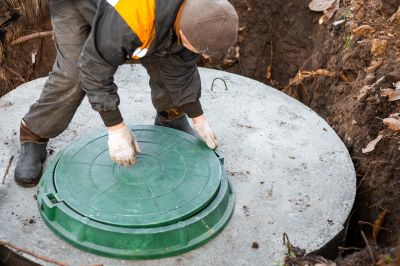 Installing a septic system involves multiple components that work together to treat and dispose of wastewater effectively. Proper selection of products is essential for ensuring the system functions smoothly and meets local regulations. From tanks and distribution boxes to piping and filters, each element plays a vital role in the overall operation. When choosing products for septic installation, it's important to consider durability, compatibility, ease of installation, and maintenance requirements.
Types of Products For Septic System Installations
Septic Tanks
Available in various materials and sizes, septic tanks are the primary component for wastewater storage and initial treatment.
Distribution Boxes
Distribute effluent evenly across the drain field, ensuring proper flow and preventing overloads.
Septic Piping
Flexible and rigid piping options designed for underground installation to direct wastewater flow.
Effluent Filters
Filters installed at the outlet of the septic tank to prevent solids from entering the drain field.
Inspection Ports
Access points that allow for easy inspection and maintenance of the septic tank.
Septic Tank Risers
Extend access points above ground level for easier maintenance and inspection.
Drain Field Gravel
Aggregate material used to support the drain field and facilitate wastewater absorption.
Soil Absorption Beds
Constructed areas designed to facilitate the absorption and filtration of wastewater into the soil.
Septic System Accessories
Includes clamps, fittings, and sealants necessary for secure and leak-proof installation.
Pump Tanks
Used in systems where gravity flow isn't sufficient, helping to move wastewater to the drain field.
Aeration Systems
Introduce oxygen into the septic tank to promote biological activity and improve treatment efficiency.
Pre-Treatment Units
Additional filtration or treatment components to enhance wastewater quality before discharge.
Popular Choices
Complete septic tank systems with all necessary components are frequently sought after for their convenience and reliability.
Popular for ensuring even distribution of effluent across multiple drain lines.
Favored for ease of installation and adaptability to various terrain conditions.
Commonly used to prevent solids from clogging drain field components.
Widely chosen for facilitating maintenance and system monitoring.
Popular for extending access points above ground level for easy servicing.
Frequently selected for supporting effective soil absorption in drain fields.
Includes various accessories and enhancements for improved system performance.
Trending for properties with challenging terrain or gravity flow limitations.
Gaining popularity for systems requiring biological oxygenation.
Often chosen to improve effluent quality before entering the drain field.
Septic tanks are the core component of any system, designed to separate solids from liquids and provide initial treatment. These tanks come in various sizes and materials, including concrete, plastic, and fiberglass, each offering different benefits in terms of longevity and ease of handling. Distribution boxes help evenly distribute effluent into drain fields, while piping options are selected based on soil conditions and installation specifics. Accessories such as filters, risers, and inspection ports facilitate maintenance and inspection, contributing to the long-term performance of the septic system.
Proper planning and product selection can help prevent common issues such as clogging, backups, and system failure. It's advisable to choose components that are compatible with each other and suitable for the specific site conditions. Consulting with a professional or local authority can provide guidance on the appropriate sizes and types of products needed for your installation. Investing in quality products can also reduce long-term maintenance costs and improve the reliability of the septic system over time.
Key Buying Considerations
- Assess the size and capacity needed based on household or property usage.
- Choose materials that are durable and suitable for underground installation, such as high-quality plastic or concrete.
- Ensure compatibility of all components for seamless integration and proper functioning.
- Consider ease of installation, especially if planning a DIY project.
- Check local codes and regulations to ensure compliance with sizing and material requirements.
- Evaluate maintenance needs and accessibility features like risers and inspection ports.
- Select appropriate piping types suited for your soil and terrain conditions.
- Look for components with good resistance to corrosion and environmental wear.
- Determine if additional features like filters or aeration are necessary for your system.
- Review warranty and support options from manufacturers or suppliers.
- Factor in the long-term costs of maintenance and replacement parts.
- Consider the compatibility of accessories like filters, fittings, and clamps.
- Evaluate the ease of future upgrades or system expansions.
- Think about the environmental conditions, such as soil type and water table level, that may impact product choice.
- Consult with a professional to confirm the best configuration for your property.