Linear Drain Installation in Denver, CO
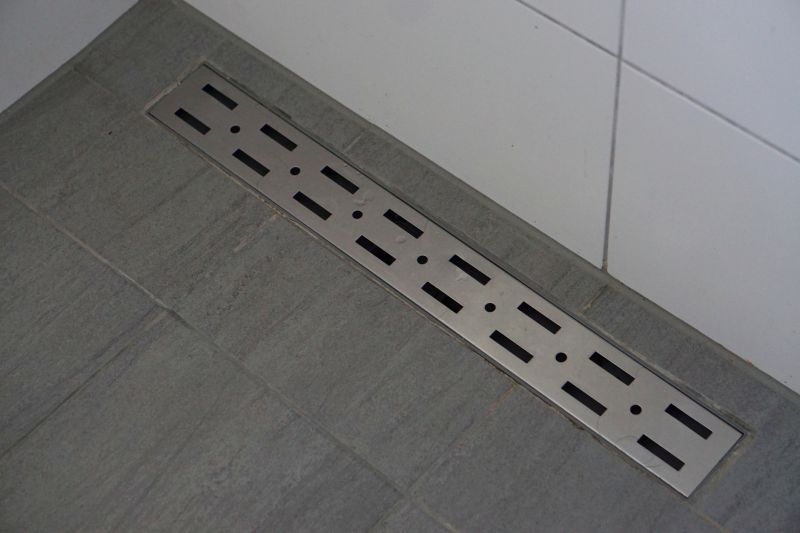
Linear drain installation is a practical solution for managing water drainage in various residential projects. This service involves installing elongated, narrow drains that are typically used in areas such as showers, patios, driveways, and pool decks. Property owners often request linear drains to achieve a sleek, modern look while ensuring effective water runoff, especially in spaces where traditional point drains may not provide sufficient coverage. Before requesting installation, homeowners should consider the location, drainage needs, and the type of surface material to ensure the drain system is properly integrated and functional.
Understanding the specifics of the project is essential for property owners considering linear drain installation. Factors such as the size and length of the drain, the slope of the surface, and the existing plumbing or drainage infrastructure can influence the installation process. It is also helpful to know the preferred finish and material for the drain grate, as these can impact the overall aesthetic and durability. Clarifying these details in advance helps ensure the drain system meets both practical needs and design preferences for the property.
Many property owners in Denver, CO look into Linear Drain Installation for repairs, replacements, upgrades, and appearance-related improvements.
Benefits Of Linear Drain Installation
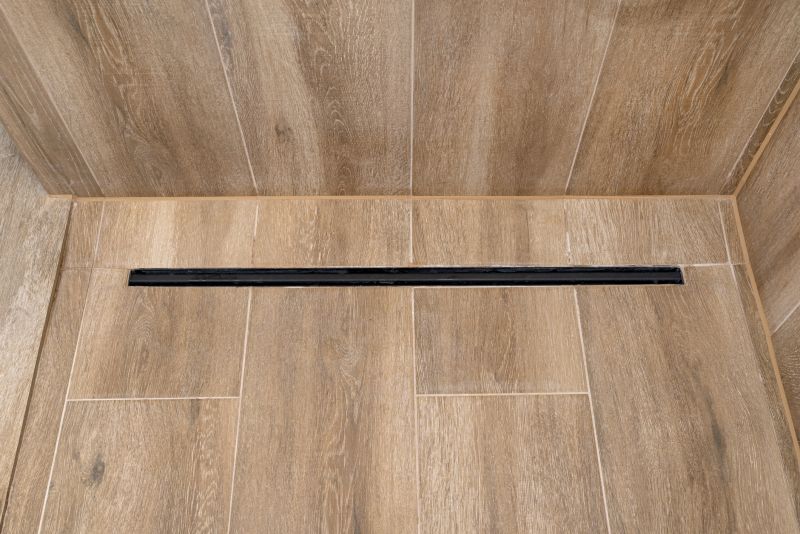
Linear drains provide efficient water drainage for modern shower and outdoor areas.
Common Applications
They are often used in custom showers, patios, and commercial spaces in denver and nearby areas.
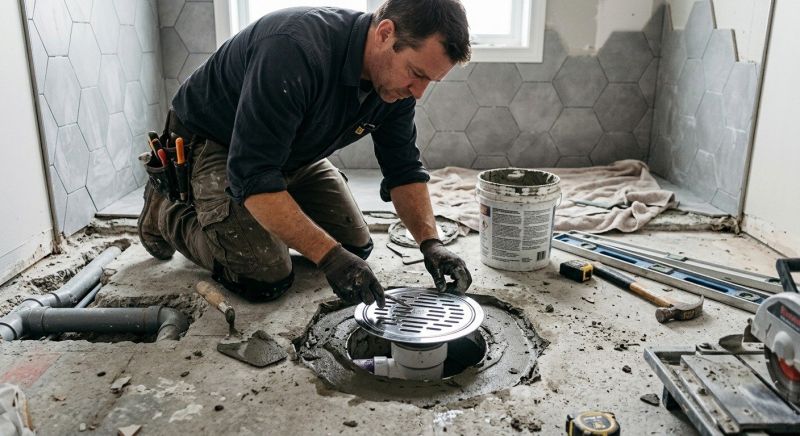
Design And Material Options
Available in various finishes and materials to match different styles and property requirements.
Linear Drain Installation in Denver, CO

Linear drain installation is a practical solution for managing water drainage in various residential projects. This service involves installing elongated, narrow drains that are typically used in areas such as showers, patios, driveways, and pool decks. Property owners often request linear drains to achieve a sleek, modern look while ensuring effective water runoff, especially in spaces where traditional point drains may not provide sufficient coverage. Before requesting installation, homeowners should consider the location, drainage needs, and the type of surface material to ensure the drain system is properly integrated and functional.
Understanding the specifics of the project is essential for property owners considering linear drain installation. Factors such as the size and length of the drain, the slope of the surface, and the existing plumbing or drainage infrastructure can influence the installation process. It is also helpful to know the preferred finish and material for the drain grate, as these can impact the overall aesthetic and durability. Clarifying these details in advance helps ensure the drain system meets both practical needs and design preferences for the property.
Many property owners in Denver, CO look into Linear Drain Installation for repairs, replacements, upgrades, and appearance-related improvements.
Common Linear Drain Installation Jobs
Residential bathroom remodels - linear drains provide sleek drainage solutions for modern shower designs.
Outdoor patios and walkways - these drains help manage water runoff and prevent pooling.
Basement waterproofing projects - linear drains assist in directing water away from foundation areas.
Commercial flooring installations - they offer efficient drainage for high-traffic areas.
Poolside and spa areas - linear drains ensure proper water flow and safety.
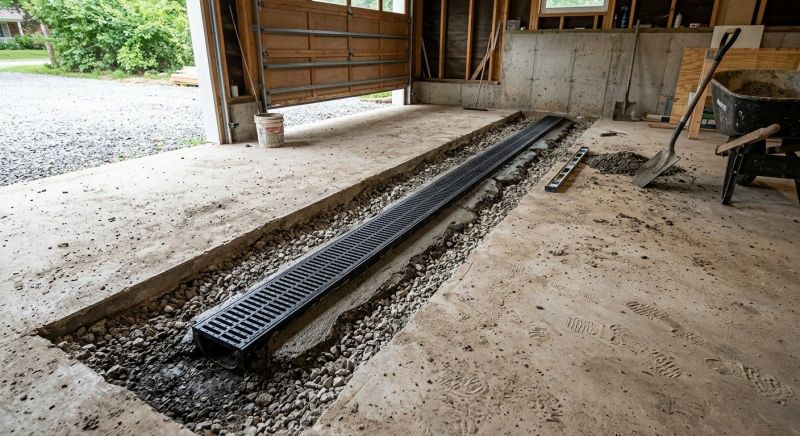
Garage floor drainage - these systems help keep parking areas dry and free of standing water.
Linear Drain Installation Questions
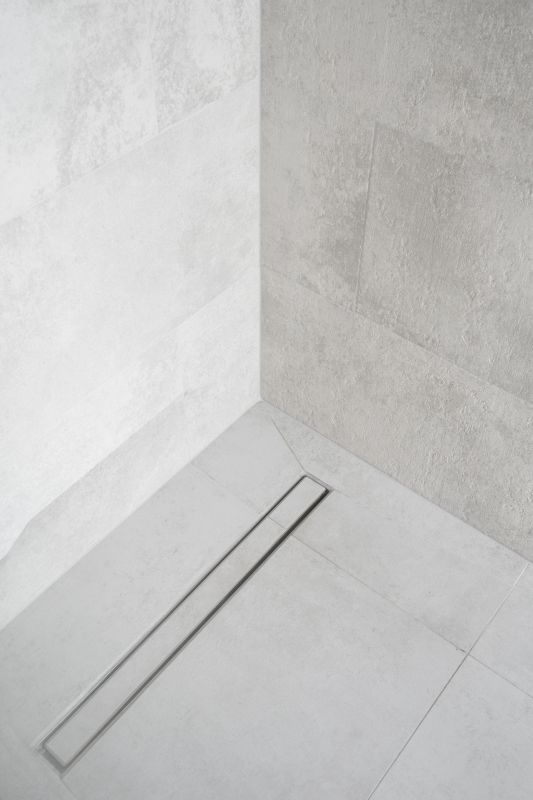
What is a linear drain? A linear drain is a long, narrow drainage system designed to efficiently channel water away from surfaces like showers, patios, or driveways.
Where are linear drains commonly installed? They are often used in shower stalls, outdoor walkways, pool decks, and commercial spaces requiring effective water management.
What materials are linear drains typically made of? They are usually constructed from stainless steel, aluminum, or polymer materials, offering durability and corrosion resistance.
What should be considered when choosing a linear drain? Factors include the drain’s length, flow capacity, material, and the specific drainage needs of the project area.
Request Linear Drain Installation in Denver, CO
Use the quote form on this page to share the basics of your project and request more information for the type of work you need.